Choose the Right Stand Mixer for Baking and Cooking Success
Best Stand Mixers for Home Bakers and Cooks
A stand mixer is a valuable kitchen tool for anyone who enjoys baking or cooking from scratch. Whether you're whipping up cakes, kneading dough, or making meringues, a high-quality stand mixer makes the process easier and more efficient. With options ranging from budget-friendly models to professional-grade mixers, choosing the right one depends on your needs and budget.


Top Stand Mixers for Every Budget
Budget stand mixers, such as those from Morphy Richards or Andrew James, offer basic mixing functions and are ideal for occasional bakers. Mid-range models like the KitchenAid Artisan or Kenwood Chef provide more power, durability, and versatility. For serious bakers, premium stand mixers like the KitchenAid Professional or Ankarsrum come with powerful motors and larger capacities, making them perfect for frequent use and heavy dough mixing.
Features to Look for in a High-Performance Stand Mixer
When choosing a stand mixer, consider features such as motor power, speed settings, and bowl capacity. A powerful motor (300-1000 watts) ensures smooth mixing, while multiple speed settings provide greater control. A tilt-head design makes it easier to add ingredients, while bowl-lift models offer stability for heavy mixing. Attachments like dough hooks, whisks, and paddle beaters increase versatility, allowing you to use your mixer for a variety of tasks.
Blog Posts About Stand Mixers: Baking Tips & Reviews
Looking for expert reviews and baking tips? Our blog covers everything from in-depth stand mixer comparisons to baking techniques that will help you make the most of your appliance. Whether you're deciding which mixer to buy or need tips for achieving perfect dough consistency, our guides provide the information you need.
How to Choose the Right Stand Mixer for Your Kitchen
Selecting the right stand mixer depends on how often you bake, the types of recipes you make, and the space available in your kitchen. A smaller model is great for casual bakers, while frequent bakers may need a more powerful machine with larger capacity. Understanding the key differences between models will help you make the best choice for your needs.
Comparing Tilt-Head vs. Bowl-Lift Stand Mixers
Tilt-head stand mixers have a hinged top that allows easy access to the bowl, making them great for home bakers with limited counter space. They are easier to clean and are generally more affordable. Bowl-lift stand mixers, on the other hand, provide greater stability for heavy mixing tasks and typically have larger capacities, making them ideal for serious bakers and those who frequently make large batches.
What Size Stand Mixer Do You Really Need?
Stand mixers come in various sizes, from compact 3.5-litre models to professional 6-litre versions. A 3.5-4.5-litre mixer is suitable for small households and occasional baking, while a 5-litre model is ideal for most home bakers. If you frequently bake in large quantities or make bread and dense doughs, a 6-litre or larger mixer with a high-powered motor will be more efficient and durable.
Must-Have Stand Mixer Attachments and Accessories
A stand mixer is more than just a baking tool—it can be transformed into a versatile kitchen appliance with the right attachments. From kneading dough to making fresh pasta, stand mixer accessories expand your cooking possibilities. Investing in the right attachments can enhance your mixer’s functionality and make meal prep easier.
Essential Stand Mixer Attachments for Every Baker
Every baker should have the basic attachments that come with most stand mixers: a dough hook for kneading bread, a paddle beater for cake batter and cookie dough, and a whisk for whipping cream and egg whites. Additional must-haves include a flex-edge beater, which scrapes the bowl as it mixes, and a pouring shield to prevent messes when adding ingredients.
Creative Ways to Use Your Stand Mixer Beyond Baking
Stand mixers aren’t just for baking! With the right attachments, you can make homemade pasta, grind meat, spiralise vegetables, and even churn ice cream. The food processor attachment allows you to slice and shred ingredients, while a citrus juicer attachment makes fresh juice in seconds. Exploring these accessories turns your mixer into an all-in-one kitchen tool.

Cleaning and Maintaining Your Stand Mixer
Keeping your stand mixer clean and well-maintained ensures it performs efficiently for years. Proper care prevents buildup, extends the motor’s lifespan, and keeps attachments in top condition. Follow these simple steps to maintain your mixer.
How to Properly Clean a Stand Mixer Without Damaging It
1. Unplug the mixer before cleaning.
2. Remove all attachments and wash them with warm, soapy water.
3. Wipe down the body of the mixer with a damp cloth—avoid submerging it in water.
4. Clean the bowl thoroughly and dry all parts before reassembling.
5. For stubborn residue, use a soft brush or baking soda paste to gently scrub without scratching surfaces.
Tips for Extending the Life of Your Stand Mixer
To keep your stand mixer in top shape, avoid overloading it with heavy dough beyond its capacity. Regularly check and tighten the mixing head if it becomes loose. Store attachments properly to prevent damage, and periodically grease the moving parts if recommended by the manufacturer. Using the correct speed setting for different tasks also helps prevent unnecessary strain on the motor.

Stand Mixer Recipes: Bread, Cakes, and More
A stand mixer makes baking effortless, allowing you to mix dough, batter, and frosting with precision. Whether you’re making homemade bread, light and fluffy cakes, or thick cookie dough, the right techniques ensure perfect results every time.
Easy Bread Dough Recipe Using a Stand Mixer
Making bread dough in a stand mixer saves time and effort. Here’s a simple recipe:
Ingredients:
- 500g bread flour
- 1 packet (7g) instant yeast
- 300ml warm water
- 1 tsp salt
- 1 tbsp olive oil
Instructions:
- Attach the dough hook to your stand mixer.
- Add flour, yeast, and salt to the mixing bowl.
- Slowly pour in warm water and olive oil while mixing on low speed.
- Increase speed and knead for 5-7 minutes until smooth and elastic.
- Cover and let rise for 1 hour before shaping and baking.
Best Cake Batter Techniques for Perfect Results
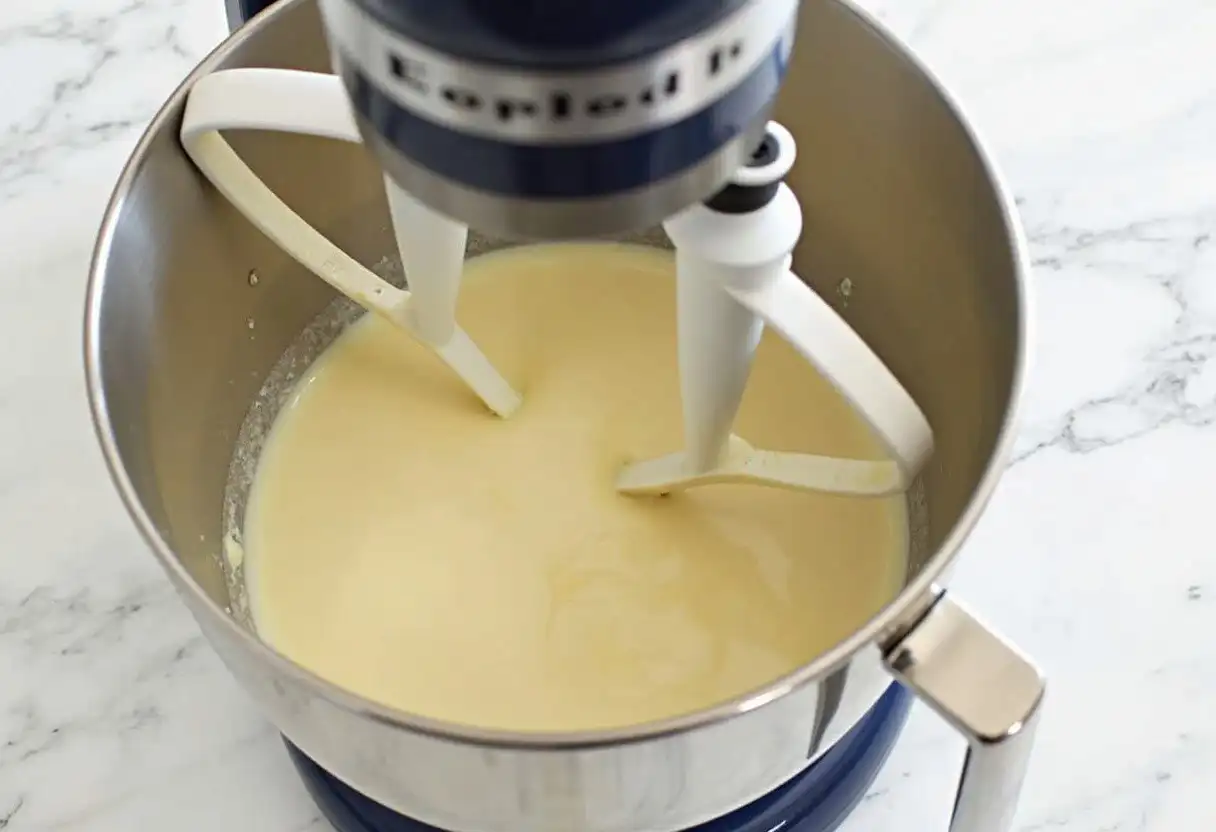
For the best cake texture, always cream butter and sugar on medium speed until light and fluffy. Use the paddle attachment for even mixing, and scrape down the sides of the bowl regularly. When adding eggs, mix at a low speed to prevent curdling. For a fluffy sponge cake, fold in dry ingredients gradually to avoid overmixing and deflating the batter.
Stand Mixer Repair FAQs
- Why is my stand mixer not turning on?
- Why is my stand mixer making a grinding noise?
- Why is my stand mixer overheating?
- Why is my stand mixer wobbling?