Find the Perfect Kettle for Fast, Efficient Boiling
Best Electric Kettles for Fast and Efficient Boiling
An electric kettle is an essential kitchen appliance for those who need boiling water quickly and efficiently. Modern kettles come with various features, from rapid boiling technology to energy-efficient designs that help reduce electricity consumption. Whether you’re looking for a basic model or a high-tech kettle with temperature control, finding the right one depends on your needs and budget. Here’s a look at some of the best electric kettles available.


Top Electric Kettles for Speed and Energy Efficiency
If you want an electric kettle that boils water fast while keeping energy use to a minimum, consider models with high-wattage heating elements and insulated designs. Brands like Breville and Russell Hobbs offer rapid-boil kettles that heat water in under two minutes. Some kettles also feature automatic shut-off and keep-warm functions to enhance efficiency. Stainless steel models with double-wall insulation help retain heat longer, reducing the need for repeated boiling.
How to Find the Best Kettle for Your Budget
Electric kettles come in a range of prices, from budget-friendly options to premium models with advanced features. If you're on a budget, look for kettles with basic functionality but reliable performance, such as those from Morphy Richards or Tower. Mid-range kettles often include features like temperature control and fast-boiling elements. High-end kettles from brands like Smeg and Dualit offer stylish designs, variable temperature settings, and high durability. Consider your needs before deciding how much to invest.
Articles on Electric Kettles: Choosing the Right One
Looking for the perfect electric kettle? Our articles cover everything from comparing the best models to understanding the key features that matter. Whether you want a stylish addition to your kitchen or an energy-efficient kettle for daily use, our guides help you make an informed decision.

How to Choose an Electric Kettle: Features to Look For
Choosing the right electric kettle depends on factors like capacity, speed, material, and extra features. If you frequently make tea or coffee, a kettle with precise temperature control can enhance the flavour. Safety features such as auto shut-off and boil-dry protection are also important. Understanding these features can help you find a kettle that suits your needs perfectly.
Essential Features That Make a Great Electric Kettle
When selecting an electric kettle, consider key features that improve functionality and convenience. Rapid-boil technology ensures faster heating, while double-walled insulation helps maintain temperature. A removable and washable filter prevents limescale buildup, extending the appliance’s lifespan. Cordless designs with 360-degree swivel bases offer ease of use. For added versatility, variable temperature settings allow you to heat water at different temperatures for tea, coffee, and other beverages.
Understanding Different Temperature Settings and Functions
Some electric kettles offer variable temperature controls, making them ideal for tea and coffee enthusiasts. Green and white teas require lower temperatures (around 70°C–80°C) to avoid bitterness, while black tea and coffee typically need water at 90°C–100°C. Advanced kettles include pre-set temperature settings, keep-warm functions, and LED displays for precise control. If you enjoy different types of hot beverages, investing in a kettle with temperature adjustment can enhance your brewing experience.
Glass vs. Stainless Steel Kettles: Which is Better?
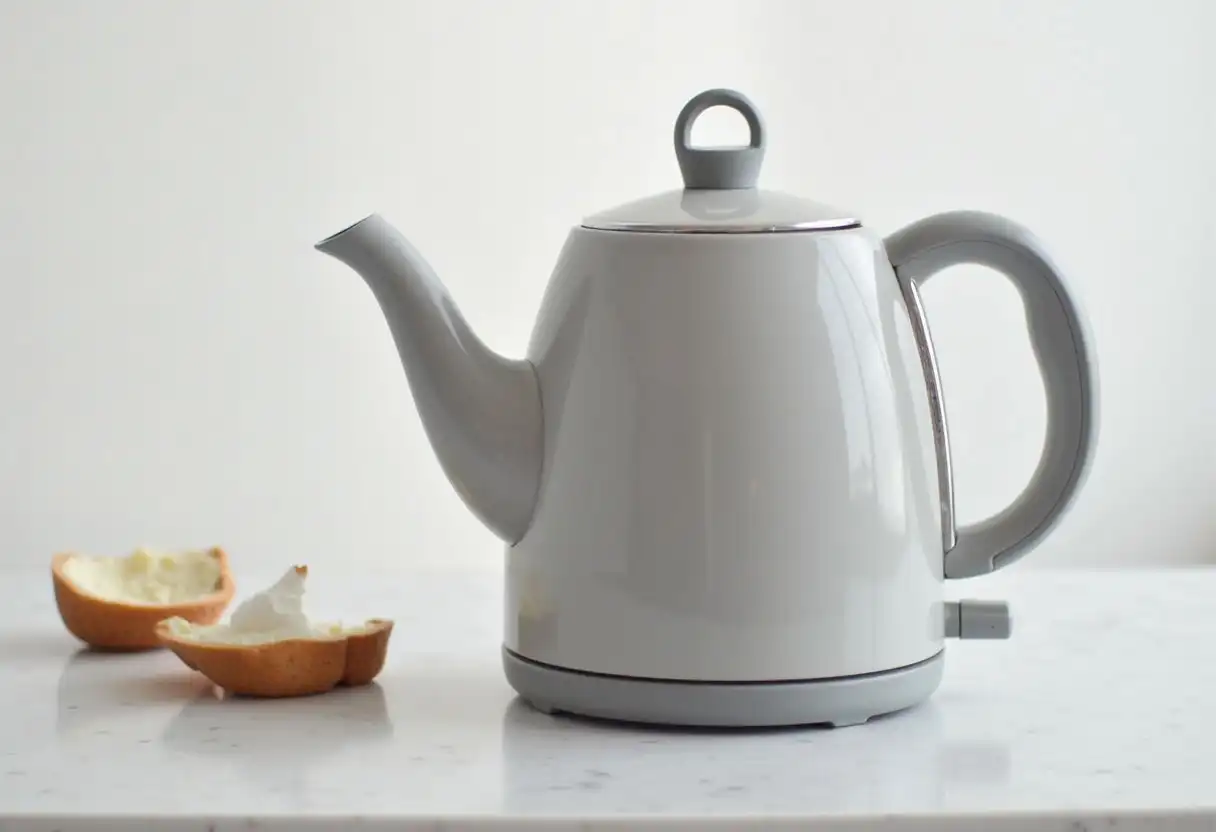
When choosing an electric kettle, the material plays a crucial role in durability, safety, and aesthetics. Glass kettles offer a sleek, modern look and allow you to see the water level, while stainless steel kettles are known for their durability and heat retention. Each material has its pros and cons, making the decision dependent on your priorities, whether it's style, longevity, or ease of maintenance.
Pros and Cons of Glass vs. Stainless Steel Electric Kettles
Glass kettles are visually appealing and free from metallic taste, but they can be more fragile and prone to limescale buildup. They may also take longer to heat due to poor heat retention. Stainless steel kettles, on the other hand, are highly durable, resist staining, and heat up quickly. However, they can be heavier and sometimes transfer a metallic taste to water if not properly maintained. Both materials have their advantages, so your choice depends on your preferences.
Which Kettle Material is More Durable and Safe?
In terms of durability, stainless steel kettles are the clear winner, as they are resistant to cracks, shattering, and general wear and tear. They also retain heat better, making them more energy-efficient. Glass kettles, while made from high-quality borosilicate glass to resist thermal shock, are still more vulnerable to breaking. Both materials are generally safe, but stainless steel does not expose water to plastic parts, while glass eliminates any risk of metallic contamination.
How to Clean and Descale Your Electric Kettle
Regular cleaning and descaling are essential to keep your electric kettle running efficiently and free from limescale buildup. Over time, mineral deposits from hard water can affect performance and even alter the taste of boiled water. Fortunately, descaling a kettle is simple and can be done using natural, chemical-free methods.
Step-by-Step Guide to Removing Limescale from Your Kettle
1. Fill your kettle halfway with a solution of equal parts water and white vinegar.
2. Boil the mixture and let it sit for about 15–30 minutes.
3. Empty the kettle and scrub the interior with a soft brush or sponge.
4. Rinse thoroughly with clean water and boil fresh water once or twice to remove any lingering vinegar taste.
5. Wipe the exterior with a damp cloth to remove any stains or water spots.
Natural Cleaning Solutions for a Chemical-Free Descale
If you prefer to avoid chemical cleaners, natural ingredients like lemon and baking soda can effectively descale your kettle. Lemon juice works similarly to vinegar—just add fresh lemon juice or slices to the water, boil, and let it sit. Baking soda can be used as a gentle scrub for stubborn stains. These methods ensure a clean and fresh-smelling kettle without the use of harsh chemicals.
Common Problems with Electric Kettles and Fixes
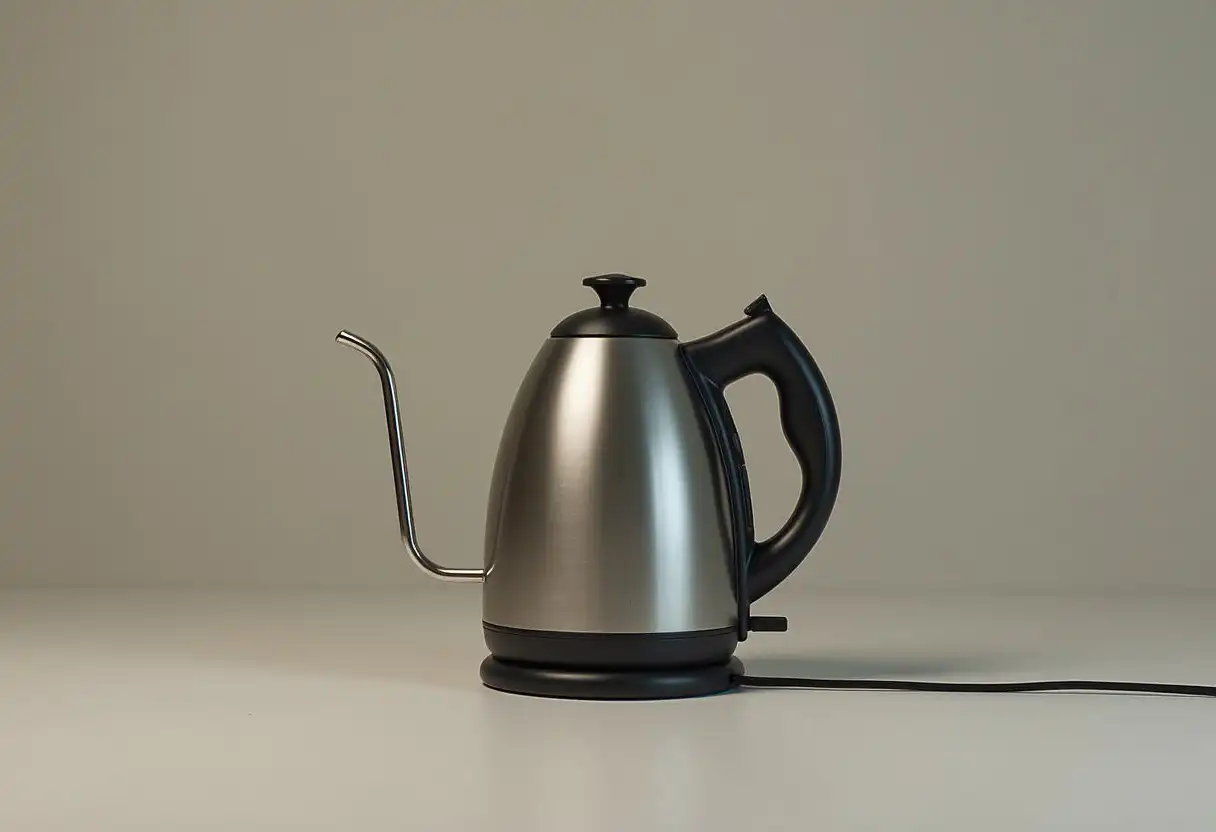
Even high-quality electric kettles can experience issues over time, such as failure to boil, leaks, or power problems. Knowing how to troubleshoot these common problems can help you avoid unnecessary replacements and keep your kettle functioning properly.
Why Your Electric Kettle is Not Boiling Properly
If your kettle is taking longer to boil or not boiling at all, the issue may be related to limescale buildup, a faulty heating element, or electrical problems. Try descaling your kettle to remove mineral deposits that may be affecting performance. If the problem persists, check the power cord and socket for any loose connections. In some cases, a damaged thermostat may require professional repair or replacement.
How to Fix a Leaking or Malfunctioning Electric Kettle
Leaks in an electric kettle often occur due to worn-out seals, cracks in the body, or improper assembly. If you notice water pooling around your kettle, inspect the base and seals for any visible damage. Tightening loose parts or replacing rubber seals can resolve minor leaks. If your kettle is malfunctioning, such as turning off before boiling or not switching on, check the power supply and reset the thermostat if possible. Persistent issues may indicate the need for a replacement.
Electric Kettle Repair FAQs
- Why is my electric kettle not boiling?
- Why does my electric kettle turn off too soon?
- Why is my kettle leaking?
- Why does my kettle have a burning smell?