Compare Top Blenders and Learn How to Use Them Like a Pro
Top Blenders for Smoothies, Soups, and More
A good blender can transform your kitchen experience, whether you're whipping up nutrient-packed smoothies, creamy soups, or homemade nut butters. High-powered models like the Vitamix and Blendtec excel at crushing ice and blending tough ingredients, while mid-range options from Ninja and NutriBullet offer impressive performance at a lower cost. If you're short on space, compact personal blenders provide quick, mess-free blending for single servings. For those who prefer versatility, multi-functional blenders with various speed settings and attachments can handle a range of tasks, from chopping vegetables to making nut milk.
Best Blenders for Every Budget and Kitchen Size
Finding the right blender means balancing performance, budget, and kitchen space. High-end models, such as the Vitamix 7500, offer professional-grade power but come at a premium price. Mid-range blenders, like the Ninja Professional series, provide solid performance for everyday use. If you're looking for something budget-friendly, options like the NutriBullet or Hamilton Beach blenders offer great value without compromising too much on quality. For small kitchens, compact personal blenders like the Magic Bullet save space while still delivering decent results.
High-Performance vs. Budget Blenders: What’s the Difference?
The main differences between high-performance and budget blenders lie in power, durability, and functionality. High-end blenders, such as Vitamix and Blendtec, have powerful motors, durable stainless steel blades, and multiple speed settings to handle tough ingredients like frozen fruit and nuts. They also tend to last longer. Budget blenders, on the other hand, typically have lower wattage, fewer features, and plastic components that may wear out faster. While they can still make smoothies and soups, they may struggle with harder ingredients and require more liquid for smooth blending.
Blog Posts About Blenders: Tips, Tricks, and Reviews
Looking for expert advice on blenders? Our blog covers everything from choosing the right model to making the most of your appliance. Get tips on achieving the perfect texture for smoothies, learn about the best blender-friendly ingredients, and find in-depth reviews on top-rated models. Whether you’re a beginner or a kitchen pro, our articles help you blend smarter and more efficiently.
Blender Recipes: Quick & Tasty Creations for Every Meal
Explore delicious blender recipes, from healthy smoothies and protein shakes to soups, sauces, and desserts.

How to Choose the Best Blender for Your Kitchen
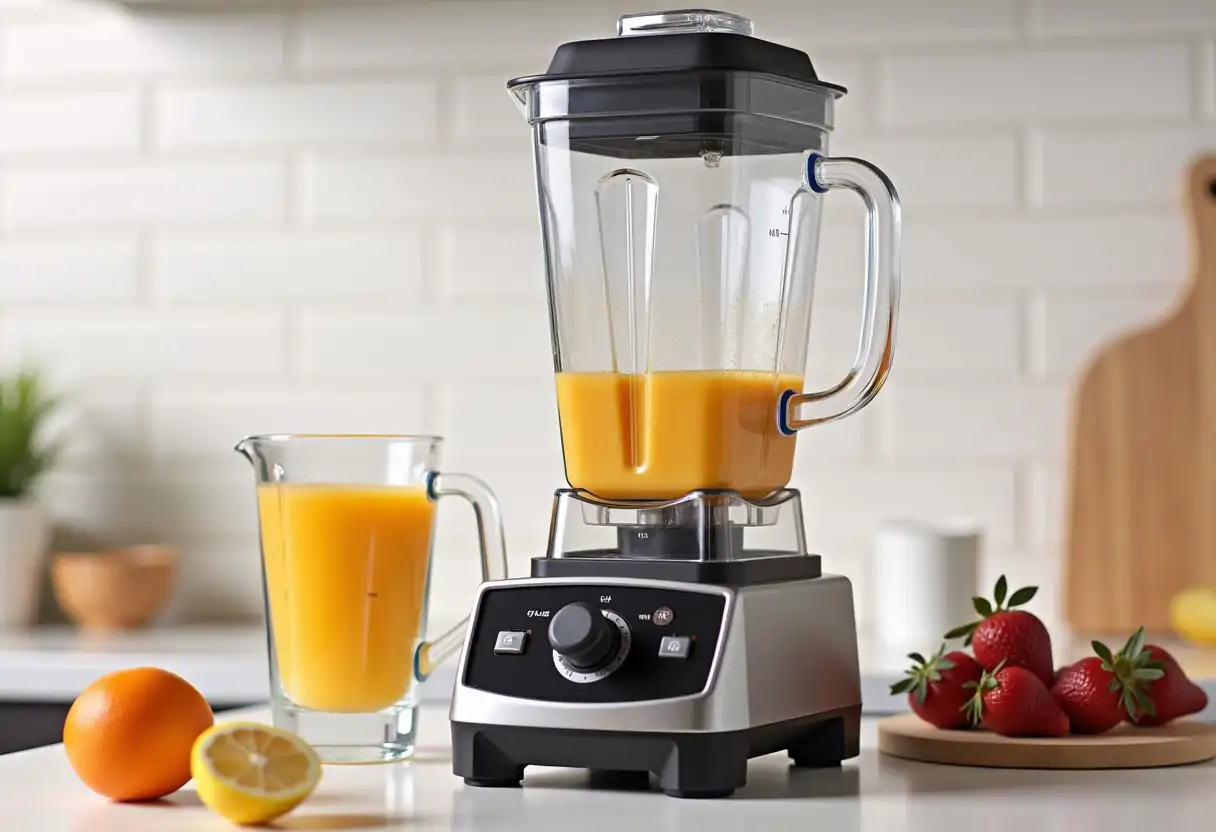
With so many blenders on the market, picking the right one can be overwhelming. Consider factors like power, capacity, and functionality. Do you need a high-powered blender for nut butters and frozen drinks, or a simple personal blender for quick smoothies? Space constraints and budget also play a role in your decision. By identifying your needs, you can find the perfect blender that fits your lifestyle and cooking habits.
Key Features to Consider When Buying a Blender
When shopping for a blender, look for key features that match your needs. Motor power is crucial for crushing ice and blending tough ingredients—aim for at least 600 watts for general use. Blade quality affects durability and efficiency, so opt for stainless steel blades. Consider jar capacity based on your usage, whether it's a single-serve cup or a large family-size pitcher. Additional features like variable speed settings, pulse functions, and preset programs can enhance blending precision and convenience.
How to Pick the Right Blender for Your Cooking Needs
Choosing the right blender depends on what you plan to make. If you love smoothies, a high-speed blender with strong ice-crushing capabilities is ideal. For soups, a model with heating functionality can be a great choice. If you frequently blend nuts, seeds, or tough vegetables, look for high-performance options with strong motors. Those with limited counter space might prefer a compact personal blender. Identifying your primary usage will ensure you invest in a blender that best suits your cooking habits.
Blender Maintenance: Keeping Your Appliance in Top Shape
Regular maintenance is essential to keep your blender running efficiently and extend its lifespan. Cleaning it thoroughly after each use prevents residue buildup and odours. Checking the blades for dullness and ensuring the motor isn't overheating can help avoid breakdowns. Storing your blender correctly also prevents unnecessary wear and tear. With proper care, your blender will continue delivering smooth, consistent results for years to come.
How to Properly Clean and Store Your Blender
To clean your blender, rinse it immediately after use to prevent food from drying onto the blades. Fill the jar with warm water and a drop of dish soap, then blend for a few seconds to clean hard-to-reach areas. For deep cleaning, disassemble the parts and wash them separately. Always dry thoroughly before reassembling. Store your blender in a dry place, and if possible, keep the blade assembly separate to prevent unnecessary pressure on the motor.
Common Signs Your Blender Needs Repair or Replacement
If your blender is making unusual noises, struggling to blend, or emitting a burning smell, it may need repair or replacement. Leaks around the base often indicate worn seals, while reduced blending power could mean the motor is wearing out. Cracks in the jar or excessive vibrations are also warning signs. If repairs cost more than a new unit, upgrading to a new blender might be the best option.
Common Blender Mistakes and How to Avoid Them
Blenders are convenient kitchen tools, but simple mistakes can impact their performance and lifespan. Using the wrong ingredients, overfilling the jar, or running the blender for too long can lead to issues. Understanding these mistakes and how to avoid them will help keep your blender working efficiently for years.
Why Your Blender Isn’t Blending Smoothly
If your blender struggles to blend, the issue may be ingredient placement, blade sharpness, or motor power. Always add liquids first to help create a smooth blend. Overloading the jar or using too many frozen ingredients without enough liquid can strain the motor. Dull blades can also cause poor blending results. Regular maintenance and proper ingredient layering can help achieve smoother blends.
Overfilling and Other Blender Mistakes to Watch Out For
Overfilling your blender can cause spills, uneven blending, and motor strain. Always follow the recommended capacity to prevent damage. Running the blender too long can overheat the motor, so use pulse settings for better control. Using the wrong speed for different ingredients may also result in inconsistent textures. Avoid these mistakes to keep your blender performing optimally.
Blender Recipes: Smoothies, Sauces, and More
Blenders are incredibly versatile, allowing you to create everything from refreshing smoothies to flavourful sauces and dips. Experimenting with different ingredients and textures can help you discover new favourites. Here are some easy and delicious recipes to try in your blender.
5 Delicious Smoothie Recipes for Any Occasion
Whether you need an energising breakfast or a post-workout refreshment, these smoothie recipes have you covered:
- Berry Blast: Blend strawberries, blueberries, banana, and almond milk.
- Green Detox: Spinach, kale, green apple, and coconut water.
- Chocolate Banana Protein: Banana, cocoa powder, protein powder, and oat milk.
- Tropical Paradise: Mango, pineapple, coconut milk, and chia seeds.
- Peanut Butter Delight: Banana, peanut butter, Greek yogurt, and honey.
How to Make Homemade Sauces and Dips in a Blender
Blenders make it easy to create homemade sauces and dips with fresh ingredients. For a quick salsa, blend tomatoes, onions, coriander, and lime juice. To make a creamy hummus, mix chickpeas, tahini, olive oil, lemon juice, and garlic. A simple pesto sauce requires basil, garlic, pine nuts, Parmesan, and olive oil. With a blender, you can prepare flavourful, preservative-free condiments in minutes.
Blender Repair FAQs
- Why is my blender not blending properly?
- Why is my blender leaking?
- Why are my blender blades not spinning?
- Why does my blender smell like burning?